Investing
Improvement 1031 Exchanges: Using Exchange Money to Fix Up the Replacement
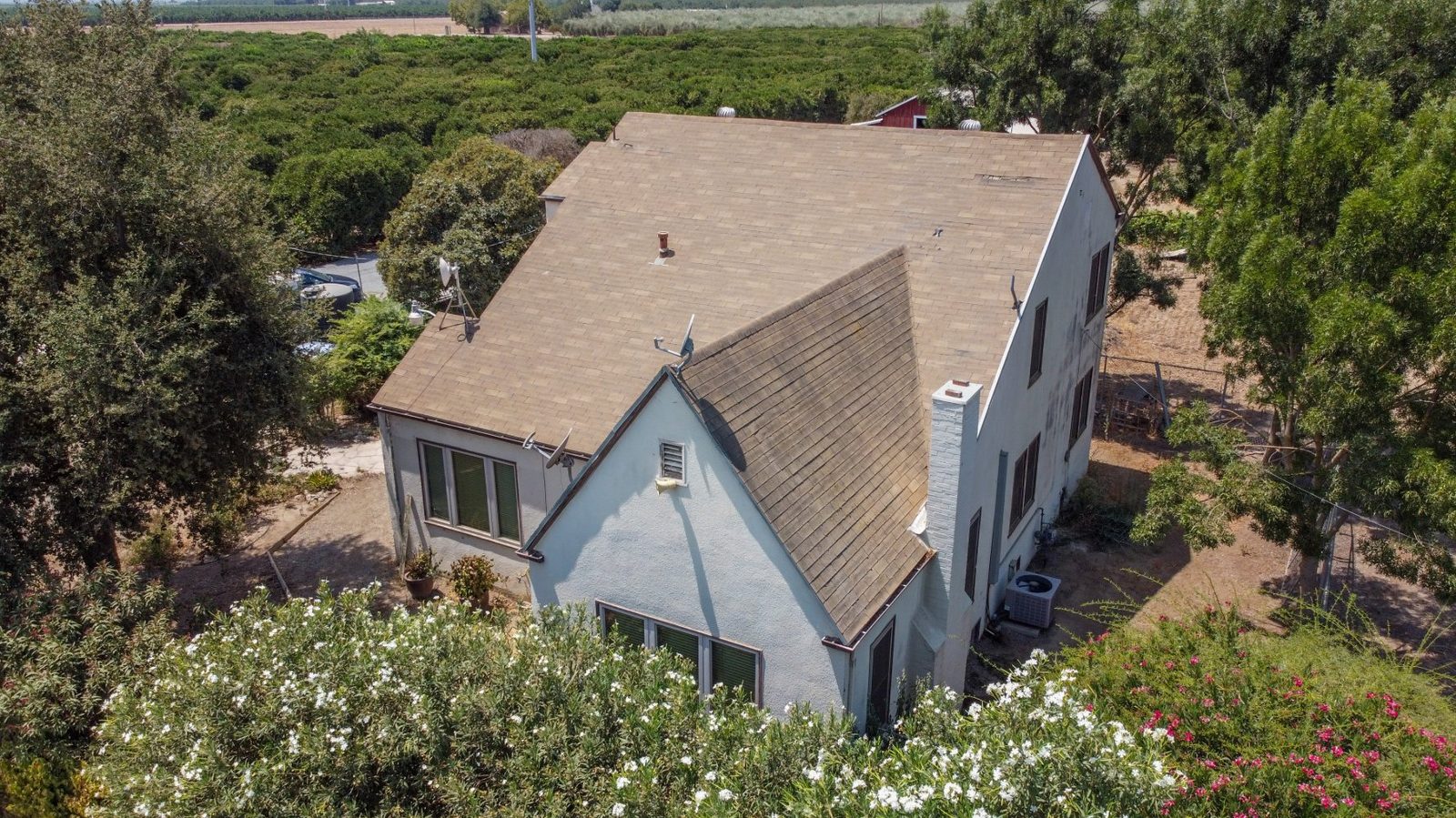
The right replacement property does not always come finished. Sometimes it is a duplex at the right price that needs a gut rehab, or a shovel-ready lot where you want to build a fourplex. An improvement exchange — sometimes called a build-to-suit or construction exchange — lets you use exchange funds to pay for the improvements, not just to buy the property.
You cannot improve property you already own
The tax code only lets you exchange into property, not into work done on your own property. So the exchange accommodation titleholder takes title to the replacement, your intermediary releases construction funds to it while the work happens, and the titleholder deeds you the improved property before the window closes.
The 180-day trap
The deadlines are the same as every exchange — 45 days to identify, 180 days to close — but they bite differently here, because only the improvements actually finished by day 180 count toward your replacement value. Materials sitting on site, deposits paid to the contractor, and a signed contract for work not yet done count for nothing. Whatever is in place on day 180 — land plus completed work — is what the exchange is worth.
Unfinished work becomes taxable boot
Say you identified $500,000 of improvements and only $300,000 is built by day 180. The $200,000 shortfall does not transfer. The unspent exchange funds come back to you as taxable boot. The exchange does not fail outright — it just becomes a partial exchange, and you pay tax on the part that did not make it.
Your identification has to describe the work
It is not enough to name the lot. The written identification has to describe the land and the improvements you plan to build, in enough detail to hold up — the level of detail in a set of plans, not a one-line note.
Scope the build to the deadline
A gut rehab or a small multifamily build on a shovel-ready lot can fit inside 180 days. A ground-up project that normally takes eight or nine months will not — and the IRS grants no extension for a slow contractor. For a true ground-up build, the same structure can run in reverse: the titleholder buys the land and starts building before you sell. Your CPA and your qualified intermediary should be in the room before the first permit is filed.
The short version of how exchanges work is on my 1031 exchange page, and if you are looking for a value-add duplex, search homes by area.
This is general information about how 1031 exchanges usually work, not tax or legal advice for your situation. The rules have exceptions, and they change. Confirm every date and every dollar with your CPA or qualified intermediary before you act.