Investing
Reverse 1031 Exchange: How to Buy the Replacement Before You Sell
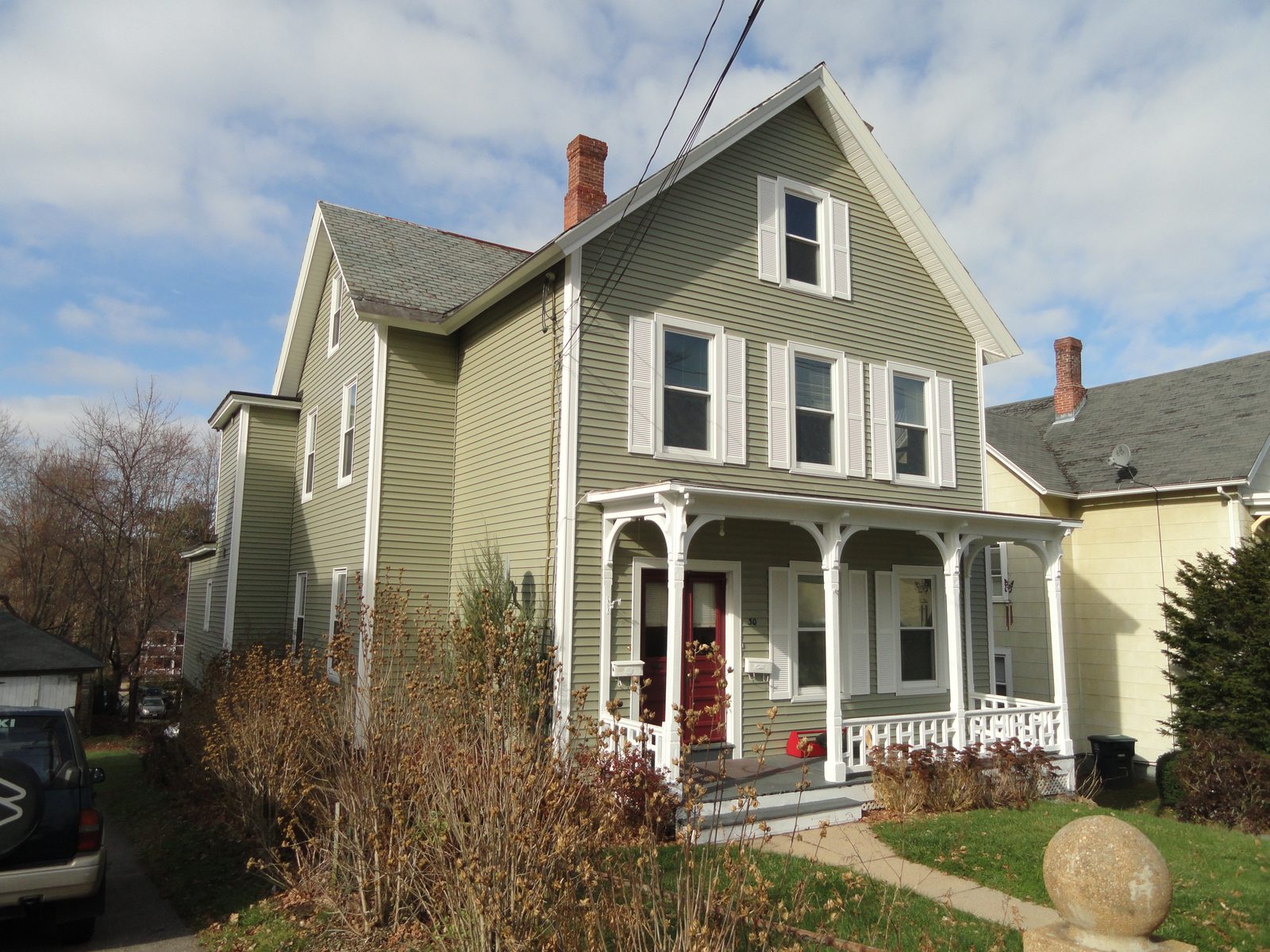
Some properties will not wait for your sale to close. I have watched investors lose a good duplex because they were still waiting on their own closing — and I have watched others buy first and sell second, and keep the deal. That second move is called a reverse exchange, and it works — if you set it up before you sign anything.
Why buy first?
A good duplex comes up, or a seller will not hold the price while you sell yours. In a reverse exchange, you buy the replacement property first and sell the old one second — the reverse of the usual order.
Somebody else holds the title while you wait
You cannot hold both properties at once and still call it an exchange. An independent exchange accommodation titleholder — usually an entity set up by your qualified intermediary — takes title to the replacement property and holds it, or "parks" it, until you sell your old property. Then the titleholder hands you the replacement in exchange for the old one.
The clock still runs 45 and 180 days
The safe harbor for reverse exchanges is IRS Revenue Procedure 2000-37. Once the titleholder takes title to the replacement, you have 45 days to identify the property you will sell, and the titleholder has to transfer the replacement to you within 180 days of taking title. The whole arrangement — both legs — fits inside that 180 days. The written agreement with the titleholder has to be signed within five business days of it taking title.
Both legs land on the same tax return
The IRS expects both sides of a reverse exchange to be reported on the same year's return. If the sale of your old property slips into the next year, you may need to file for an extension to keep them together. Your CPA will know how to handle it.
Harder and more expensive — and when it is worth it
There are more agreements to sign, the titleholder takes on risk for holding the property and usually wants indemnities, and the lender on the replacement has to be willing to lend while someone else holds title. Expect higher intermediary fees and two closings instead of one. It is a tool for a property you cannot afford to lose, not a convenience.
Set it up before you sign
A reverse exchange has to be set up before the titleholder takes title — after the fact is too late. Talk to your CPA and your qualified intermediary before you sign a purchase contract.
If you are looking at a replacement property right now and your own sale has not closed, call me before you sign anything — the setup has to happen first. The short version of how exchanges work is on my 1031 exchange page, and if you want to see what is out there, search homes by area.
This is general information about how 1031 exchanges usually work, not tax or legal advice for your situation. The rules have exceptions, and they change. Confirm every date and every dollar with your CPA or qualified intermediary before you act.